
Sports Turf Management in the world of sports is not just about the athletes and the games. It’s mostly about the playing fields. Specifically, the turf. Sports turf success is a critical aspect of any sports facility. It impacts player performance, safety, and the overall sports experience. As we look forward, the landscape of sports turf is evolving. New trends and technologies are shaping the way we construct, manage, and maintain these playing surfaces.
This guide aims to provide insights into achieving sports turf success. It covers everything from construction and design to management and maintenance. Whether you’re a sports facility manager, a groundskeeper, or a commercial turf maintenance service provider, this guide is for you. Let’s level the playing field and pave the way for sports turf success in 2025 and beyond.
The Foundation of Sports Turf Management Success: Construction and Design
Proper sports turf construction is essential for both athlete safety and top performance. It sets the groundwork for a successful playing surface. Construction techniques have evolved to focus on durability and safety standards. This ensures that athletes can perform at their best without risk. Innovations in sports turf design cater to the specific needs of various sports. Each sport demands a unique design approach for optimal playing conditions. Design advancements ensure that the turf can withstand the rigors of each sport. They also enhance the aesthetic appeal of the facility. A well-thought-out drainage system is crucial in sports turf construction. Efficient drainage prevents waterlogging, promoting a safe and playable surface. Soil preparation is another key factor in construction. It involves testing and amending soil to ensure a solid foundation for turf.
Key considerations for construction and design include:
- Safety standards to minimize injury risk
- Customized turf designs for different sports
- Effective drainage and soil preparation systems
These elements combined contribute significantly to sports turf success. Each component must be considered to build a high-quality playing field. Sports turf construction and design are evolving to meet modern demands. Innovation continues to propel the industry forward, enhancing sports experiences.
Managing for Longevity: Sports Turf Management Essentials
Sports turf management is a critical aspect of ensuring turf longevity. Proper management practices extend the life of the turf, maintaining its quality. Advanced techniques in management boost turf resilience and appearance. This allows fields to remain in prime condition throughout the season. AI and data analytics are revolutionizing sports turf management. These technologies facilitate precise care and predictive maintenance actions. With AI, managers can receive real-time insights into turf health. This enables swift action and reduces the risk of turf deterioration. Training and certification are vital for sports turf management teams. Skilled personnel can implement best practices and leverage technology effectively. Continuing education keeps teams updated on the latest management strategies. This knowledge is crucial for adapting to changes and innovations.
Key strategies for effective sports turf management include:
- Utilizing AI and data analytics for informed decisions
- Investing in ongoing training and certification programs
- Implementing proactive and adaptive management techniques
These strategies ensure that the playing surface remains durable. They also maximize turf performance and reduce long-term maintenance costs. With thorough management practices, sports turf can achieve unprecedented success. Managers are equipped to tackle challenges, ensuring field excellence.
The Green Standard: Sports Turf Maintenance and Care
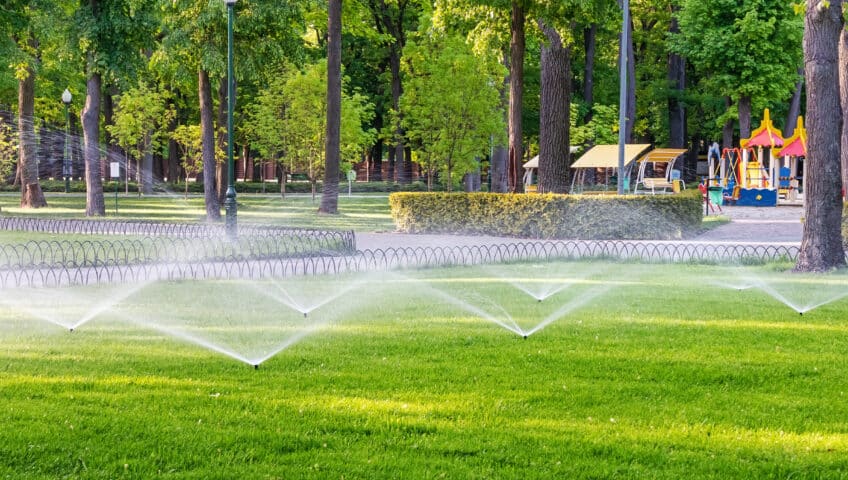
Maintaining sports turf is vital to ensure safe and fair play. Regular maintenance is key to preventing injuries and sustaining turf health. Precision mowing keeps the grass at an optimal height. It allows for smooth play and reduces wear on the turf. Regular mowing also promotes healthy growth and turf resilience. Aeration enhances soil structure and root development. It improves water and nutrient absorption, resulting in a robust playing surface. Aeration is a simple yet effective technique in sports turf care. Irrigation systems play a crucial role in turf maintenance. Proper watering ensures the turf remains lush and resilient. It also helps conserve resources by preventing water waste. Integrated pest management minimizes chemical use on sports turf. This approach uses biological and mechanical controls to protect plants. Eco-friendly solutions are becoming more popular in turf care. A commitment to sustainable practices benefits the environment. It also aligns with trends towards eco-friendly turf maintenance.
Key maintenance practices for sports turf include:
- Implementing precision mowing and aeration techniques
- Utilizing efficient irrigation systems for optimal water use
- Adopting integrated pest management to reduce chemical application
These practices support a healthy and sustainable sports field. By adhering to these methods, sports turf managers can ensure turf remains in top condition.
Partnering with the Pros: Bidvest Top Turf
Working with professional turf management services provides significant advantages. Companies like Bidvest Top Turf bring expertise and innovation to the table. They ensure that sports turf is both efficient and aesthetically pleasing. Commercial turf maintenance services have evolved over the years. They now incorporate advanced techniques and modern technology. This evolution allows for more efficient and effective turf care. Tailored maintenance plans are crucial to meeting diverse requirements. Professional services consider sport type, usage, and climate conditions. Custom solutions ensure optimal performance and longevity of the turf. Partnering with experts helps streamline turf management processes. It allows facility managers to focus on other core responsibilities. With professional care, sports facilities can achieve turf success effortlessly.
Innovations and Trends Shaping the Future of Sports Turf Management
The sports turf industry is constantly evolving. Hybrid turf systems are becoming more prevalent. These systems blend natural grass with synthetic fibers, enhancing durability and performance. Sustainable practices are crucial for future sports turf success. Eco-friendly approaches reduce environmental impact. They also promote healthier and more resilient turf. Technology plays a pivotal role in modern turf management. Tools like AI and drones provide valuable insights. They help optimize maintenance schedules and monitor turf health. Adapting to climate change is essential for maintaining turf integrity. Extreme weather conditions pose new challenges. By adjusting strategies, turf managers can ensure long-term success.
Emerging trends include:
- Hybrid turf systems
- Technology-driven management
- Sustainable practices
- Climate adaptation strategies
Such innovations point towards a greener, more efficient future. By embracing these trends, sports facilities can stay ahead. They can also offer better experiences for players and spectators alike.
Community and Compliance: Ensuring Sports Turf Success for All
Community involvement is crucial to sports turf success. Engaging local voices in design ensures facilities meet communal needs. It fosters a sense of ownership and pride in shared spaces. Safety standards are vital in sports turf construction. Adhering to regulations protects players and users. These guidelines ensure facilities are both safe and accessible to all. Accessibility should be a key focus in turf design. An inclusive approach allows everyone to enjoy sports. It also strengthens the community’s connection to the space. Sports turf plays a significant role in community development. It serves as a hub for events and activities. By supporting sports programs, it promotes wellness and unity.
Key considerations include:
- Community engagement
- Safety and regulatory compliance
- Designing for accessibility
For holistic sports turf success, collaboration is essential. Engaging diverse stakeholders results in better facilities. It ensures sports turf meets the needs of its community.
Scoring Goals with Sports Turf Success
Achieving sports turf success requires a strategic and informed approach. Consistent maintenance and community involvement are key to high-quality fields. Innovations in technology and eco-friendly practices can also enhance turf performance. Aligning your practices with organizational goals is essential. This ensures that the turf solutions support wider strategic aims. It also integrates turf management into the overarching vision of the organization. The world of sports turf is always changing. Stay ahead by embracing ongoing education and adaptation. Engage with new trends and continue to learn for long-term turf success.